


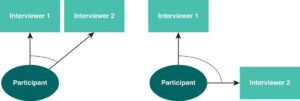
Synthetic Users Are Hypotheses, Not Participants
AI personas can widen a design team’s hypotheses, but fluent simulation is not lived evidence. Compare synthetic predictions with real observations before using them to decide.
Make the Signal Blink: The Lock-In Amplifier’s Clever Trick
How can an instrument recover a signal hidden in noise? A lock-in amplifier makes the signal follow a known rhythm, then uses multiplication and filtering to find it.
Why Two Buses Arrive Together
Bus bunching is not simply bad luck. Uneven passenger loads amplify small delays. A waiting-time audit can reveal whether a frequent service works as riders experience it.
The Coldest Room Sets the Heat-Pump Test
A house’s age does not determine heat-pump performance. Map room heat losses, radiator capacity and water temperature to find the real bottleneck before choosing equipment.
Why a Longer Wash Can Use Less Energy
A washing machine’s countdown hides the work that uses electricity. Understand the eco-cycle trade-off, then test which programme delivers clean clothes within your household’s real constraints.
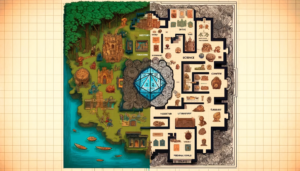
Explore, Understand, Shape: A Knowledge Map for Humans and AI
Alkemata opens its Knowledge Map preview on 3 October 2026: a visual landscape for exploring connected topics, building understanding with AI and turning discoveries into action.
Let Citizens Draft the First Version of the Law
AI can help citizens turn lived problems into testable public proposals. The challenge is preserving evidence, equal rights, contestation and democratic authority.
Alkemata for AI: What Capsules, llms.txt and MCP Are Actually For
Alkemata now exposes articles to AI in several different ways. Here is when a normal webpage is enough, what capsules add, how llms.txt and MCP differ, and how readers and…
An AI Memory Should Come with an Expiry Date
Persistent AI memory saves repetition but can preserve stale assumptions. Build a Memory Boundary Card to govern purpose, source, correction and expiry.
The Help Desk Is a Sensor, Not a Cost Centre
Support demand is not merely overhead. Repeated calls, abandoned forms and unnecessary visits can reveal defects that transaction dashboards never see.