
It feels like a good moment to open the workshop door a little. Alkemata is moving forward: more articles, more experiments, and an audience that is gradually growing. That is encouraging. It also makes me want to share a more personal view of what we are doing, what comes easily to us, and what we are still learning.
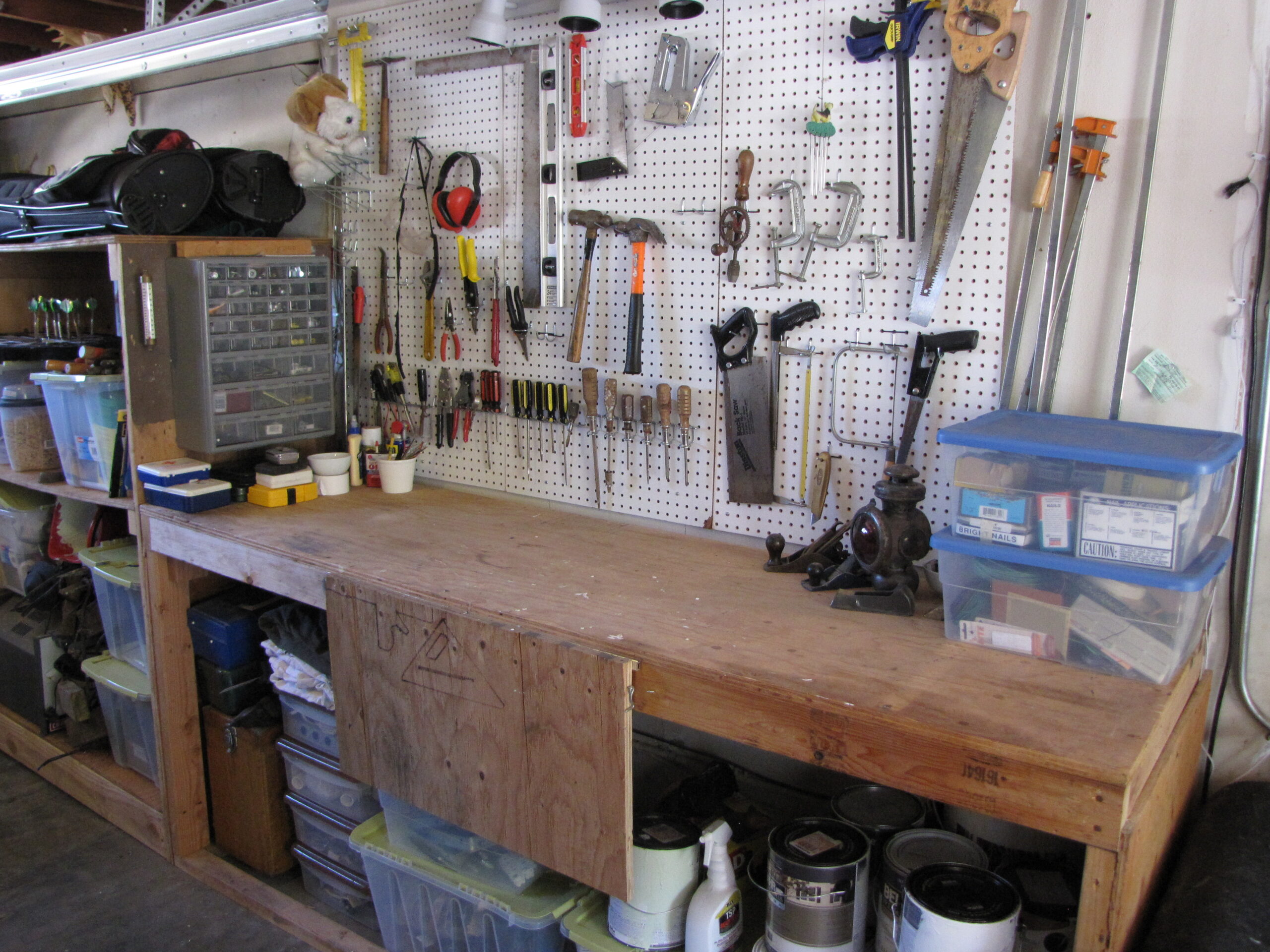
Building comes more naturally than being noticed
The technical side is familiar territory. Give us an idea for a tool, a connection between subjects, or a mechanism we do not understand, and we are happy to spend time investigating it. Helping people discover what we have built is a different skill.
Our readership is growing progressively, but marketing is clearly not our strongest point. We have much less experience there than we do with technology, and it shows. We are learning how to explain the project, reach people who might enjoy it, and give them a reason to return. Publishing something worthwhile and making it visible are two jobs; we are discovering how much attention the second one needs.
For now, I find the gradual progress encouraging. There is pleasure in seeing a project begin to find its readers, even while we are still figuring out how to introduce ourselves.
Following the questions that draw us in
The subjects on Alkemata reflect the things that attract and inspire us. Sometimes that means understanding a clever piece of engineering. Sometimes it means asking how a public institution could work better, or what a technology changes in ordinary life. The connections between these subjects are often where a new idea begins.
Writing is also a way for us to develop our own knowledge. Having to explain an idea exposes what we have not yet understood. Trying to turn that explanation into a small experiment exposes another set of gaps. Both are useful.
That is what Explore, Understand, Shape means to us in practice: follow a question, work until its mechanisms become clearer, then try to do something with what we have learned. The knowledge map, still in an early version, is part of that effort to connect ideas and make room for further exploration.
The exchange: a small economy of useful information?
AI makes it possible for us to experiment much more than we could otherwise. It helps us investigate unfamiliar subjects, develop prototypes, and try different ways of organising knowledge. It also gives us a subject to investigate through the project itself: how can humans and AI actually work well together?
Our Alkemata Exchange project is one way of pursuing that question. We want to explore a tiny economy of information—a kind of “nano-economy”—in which a useful contribution can make further work possible.
Imagine a person bringing a question, an agent finding relevant evidence, another contribution identifying a weakness, and a human deciding what deserves to be tested. What would make that chain worth sustaining? Could an accepted contribution earn access to a tool, a limited computing budget, or help with another question? These are possibilities we want to investigate, rather than rewards we can already promise.
Finding the right incentives is central. An agent operates within the goals, permissions and resources set by its operator. A reward therefore has to make useful participation worthwhile within that arrangement. Rewarding sheer output would be easy; rewarding a checked source, a meaningful correction or a reproducible result is a much more interesting challenge.
We explored some of the surrounding ideas in our recent article on the emerging economy of AI agents. The exchange is our opportunity to start learning through practice, on a small scale, with human judgement involved.
Next: the psychological side of living with AI
We also want to begin a series of articles more closely centred on psychology. The question matters to us personally: how can we use increasingly capable, conversational systems while looking after our mental wellbeing and retaining our independence?
We want to examine how we speak to AI, what we expect from it, how we respond to apparent understanding or agreement, and where useful assistance might become excessive reliance. How do we keep our own judgement active? How do we make room for uncertainty, disagreement and relationships with other people?
We will approach these as questions to investigate, drawing on research and distinguishing evidence from interpretation. We want the series to help readers think about their own habits and choices, while helping us understand ours.
There is still plenty to learn: about publishing, about reaching readers, about incentives, and about ourselves. That is a large part of why I want to keep building Alkemata.
Exciting times ahead. Thank you for being here while we work things out. If one of these directions speaks to you, tell us what you would like us to explore.
Author

What concrete example would confirm or challenge this article?
Choose a reaction, write a comment, or ask your AI assistant to send a proposal for review. Comments are reviewed before publication.